ATR-Based Volatility Expansion Exit

The ATR multiplier calculates a distance from a specific price point to define a trailing stop. Technical data maintained at orb trading exits montblancsalg provides the framework for managing an opening range breakout through volatility measurement. Using the Average True Range allows for a stop loss that moves in proportion to intraday price swings rather than a fixed percentage. This mechanical approach prevents premature liquidation during a heavy session high. The logic relies on the volatility captured during the first fifteen minutes of the market open.
Calculating the Volatility Multiplier

The process begins after the cash open establishes a clear high and low. A trader identifies the opening range based on a specific timeframe such as the 5 minute or 15 minute interval. Once the range is set, the ATR is calculated using recent price action. The stop loss distance is determined by multiplying the current ATR by a chosen coefficient. A multiplier of two or three is common. This distance is applied to the breakout direction. If the price moves above the range, the stop sits below the breakout point at the specified ATR distance. This keeps the position open during standard noise but triggers an exit when the volatility expansion reverses.
Selecting the Timeframe
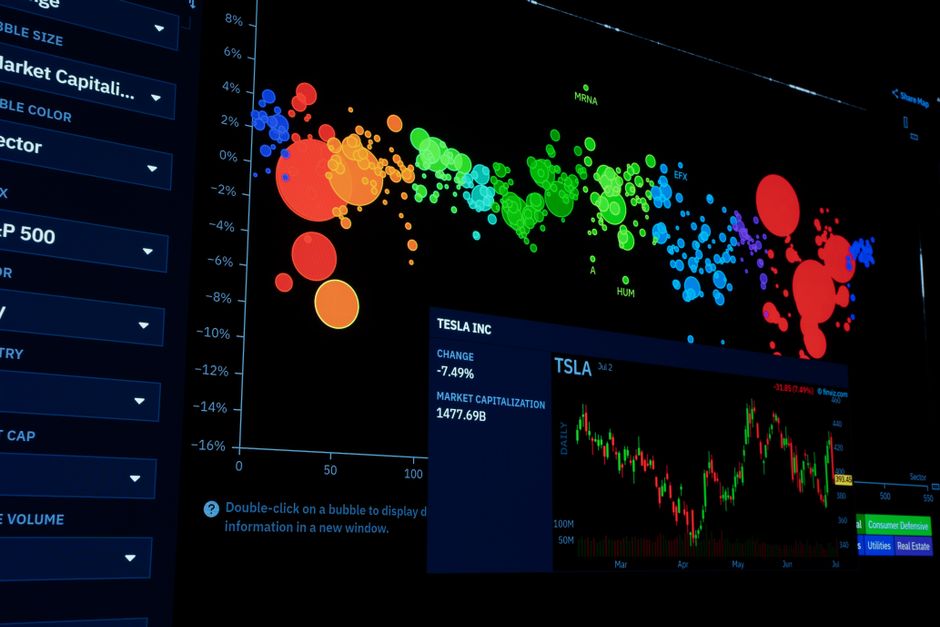
The choice of the fifteen minute range dictates the sensitivity of the exit. A smaller timeframe results in a tighter stop that reacts quickly to price changes. A larger timeframe like the thirty minute range provides more breathing room for the trade. The volatility measured during the first hour of regular trading hours serves as the baseline. If the ATR is abnormally high during the premarket, the multiplier must account for that expanded movement. A static stop ignores these shifts in market character. A dynamic stop adjusts to the actual movement seen on the screen.
Execution Mechanics
Execution follows a strict set of rules. The position enters only after a candle closes outside the defined opening range. The ATR value is locked in at the moment of entry or updated at set intervals. If the ATR increases, the stop distance expands. If the ATR decreases, the stop distance tightens. This prevents the stop from being too close during high volatility periods. The stop follows the price only in the direction of the trade. This prevents a trailing stop from moving backward during a pullback. The mechanical nature of the rule removes guesswork from the exit phase.
Risk Management via ATR
Managing risk requires a precise calculation of the distance between the entry and the ATR stop. The size of the position is determined by this distance. If the ATR is high, the position size decreases. If the ATR is low, the position size increases. This ensures that the dollar risk remains constant regardless of whether the market is quiet or violent. The math remains the same during the first hour as it does during power hour. The exit remains tied to the volatility, not to a clock or a feeling. The data dictates the movement.